The Art of Perspective
We all go through rough patches in life. Some patches are rougher than others, and some challenges feel sudden while others build slowly over time. Some are out of our control and some are within our control.
Albert Einstein said, "No problem can be solved from the same consciousness that created it. We must learn to see the world anew."
Marcus Aurelius observed, "Everything we hear is an opinion, not a fact. Everything we see is a perspective, not the truth."
From those ideas I learned that much of how we feel, think, and behave depends on our perspective. Every day we are given a chance to adjust that perspective and rethink how we respond. If we don’t like who we are now, we can decide to change. It all starts with perspective — how we view ourselves and how we interpret the environment around us. I have the power to be happy, sad, miserable, or angry. I have the power to let someone, something, or a collection of circumstances influence me, my mood, my happiness, and my peace of mind.
As an artist, when I work on a piece I am constantly observing it from different perspectives. This practice gives my work greater depth and keeps me connected to the emotions I translate into my paintings. As a behavior therapist, I am also trained to examine my own personal biases when working with clients and families from different cultural backgrounds, so those biases do not influence the quality of care I provide. For both art and therapy, I must consciously look at things from alternative perspectives to remain honest, effective, and compassionate.
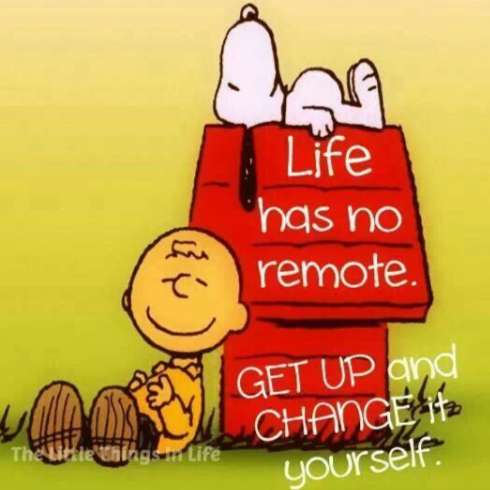
"The real voyage of discovery consists not in seeking new landscapes, but in having new eyes" Marcel Proust
Life tends to improve when we shift our perspective, commit to growth, and act more intentionally in the choices we make. The way we choose to live has a profound impact on our mental health and overall well‑being. There are times when everything feels like it’s spiraling, and reaching out for support becomes necessary; another person’s viewpoint can bring clarity and help us recognize options we might have missed. That said, meaningful change requires a genuine willingness to alter our course — we can ask for help, but if we keep returning to the same destructive patterns, progress will be limited.
You cannot change the trajectory of your life unless you first change how you see your life and the world around you; shifting your perspective about yourself and your environment opens the door to new choices and different outcomes.